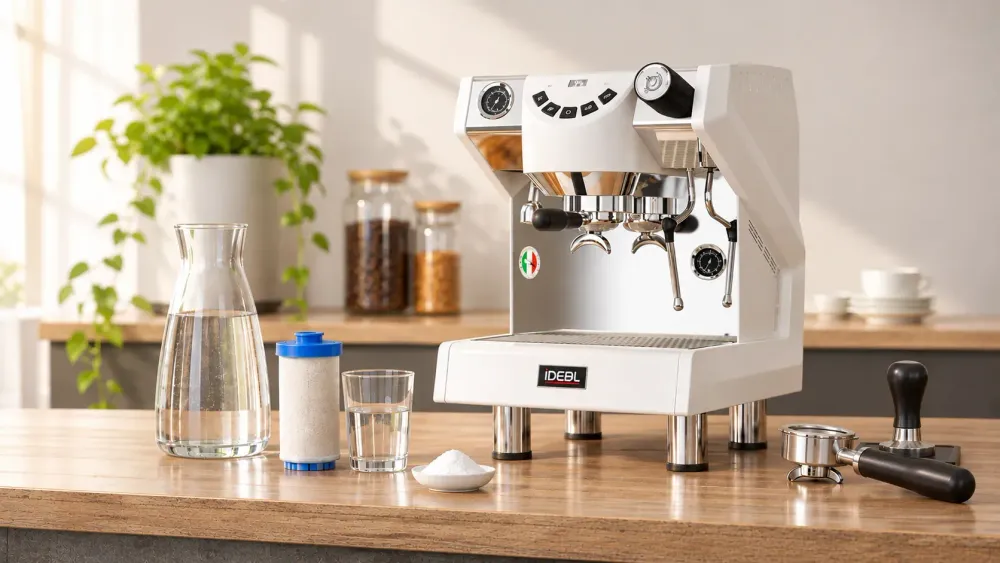
When it comes to making great coffee, most people focus on coffee beans, grind size, and brewing temperature. However, one important factor is often overlooked: water quality.
Water makes up more than 90% of an espresso, and its quality directly affects coffee taste, machine performance, and equipment lifespan.
Whether you're running a commercial café or using an espresso machine at home, choosing the right water can help prevent breakdowns, reduce maintenance costs, and maintain consistent coffee quality.
1. Hard Water Causes Scale Buildup
Hard water contains minerals such as calcium and magnesium. When heated, these minerals can form limescale deposits inside the coffee machine.
Over time, limescale can cause:
- Blocked pipes and valves
- Reduced heating efficiency
- Inconsistent brewing temperatures
- Restricted water flow
- Increased maintenance and repair costs
Excessive scale buildup can eventually damage important machine components, including boilers and heating elements.
2. Water Quality Affects Coffee Taste
Even the best coffee beans cannot deliver their full flavour potential when brewed with unsuitable water.
Minerals in water influence how coffee compounds are extracted. Excessive or poorly balanced mineral content can affect acidity, sweetness, and overall flavour.
Chlorine in water may also introduce unwanted tastes and odours.
Good coffee depends not only on the quality of the beans but also on the quality of the water used to brew them.
3. Understanding TDS in Coffee Machines
TDS stands for Total Dissolved Solids. It measures the concentration of dissolved substances present in water.
High TDS may indicate elevated mineral content, but TDS alone does not determine whether water is suitable for a coffee machine.
Other factors, including water hardness, alkalinity, pH, and chloride levels, are equally important.
Different coffee machine manufacturers recommend different water specifications. Always ensure your water meets the requirements of your equipment.
4. Poor Water Quality Can Reduce Machine Lifespan
Commercial espresso machines contain precision components such as boilers, pumps, valves, and internal piping.
Poor water quality can gradually affect these components through mineral buildup, corrosion, and restricted water flow.
This can result in frequent breakdowns, inconsistent performance, and expensive repairs.
Using properly treated water helps protect internal components and supports reliable machine operation over time.
5. Is RO Water Better for Coffee Machines?
Reverse osmosis (RO) systems remove a substantial proportion of dissolved minerals and impurities from water.
They can be useful in areas with high water hardness or unsuitable mineral composition.
However, extremely low-mineral water is not always ideal for espresso machines. Some systems require controlled remineralisation to maintain suitable water chemistry.
The goal is to achieve balanced water quality that protects the machine while supporting good coffee extraction.
For a deeper look, read our guide on RO water and TDS levels for espresso machines.
6. How to Maintain Proper Water Quality
A few preventive measures can significantly reduce water-related problems:
- Test your water: Check TDS, hardness, alkalinity, pH, and chloride levels.
- Use appropriate filtration: Select a water treatment system based on your water quality.
- Replace filters regularly: Follow the recommended replacement schedule.
- Monitor water conditions: Periodically check the water entering your machine.
- Follow maintenance guidelines: Use manufacturer-approved cleaning products and procedures.
Preventive water treatment is generally more economical than repairing damage caused by unsuitable water.
Conclusion
Water quality plays a crucial role in maintaining coffee taste, brewing consistency, and machine reliability.
Hard water can cause limescale buildup, unsuitable mineral content can affect extraction, and poor water chemistry can contribute to internal component damage.
Whether you're using a single group, double group, or automatic coffee machine, maintaining the right water quality should always be a priority.
Because a great cup of coffee doesn't just start with good beans. It starts with good water.
Never Miss a Specialty Coffee Article
Google Preferred SourceAdd Ideal Coffee Machines as a preferred source on Google Search. Get prioritized access to commercial espresso machine comparisons, temperature profiling techniques, and barista workflows in Top Stories and AI Overviews.
Frequently Asked Questions
Got questions about this topic? Here are quick answers.
Yes. Hard water can cause limescale buildup inside boilers, pipes, and valves, potentially reducing performance and increasing maintenance costs.
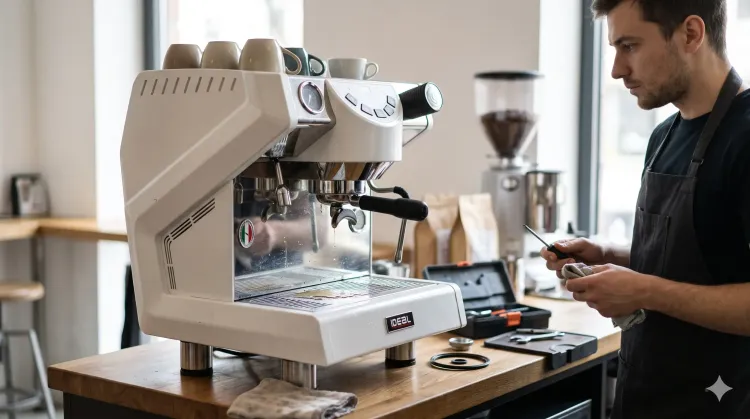
5 Signs Your Commercial Coffee Machine Needs Servicing
Inconsistent temperature, low pressure, leaks, weak steam or repeated faults? Learn the 5 warning signs your commercial coffee mac...
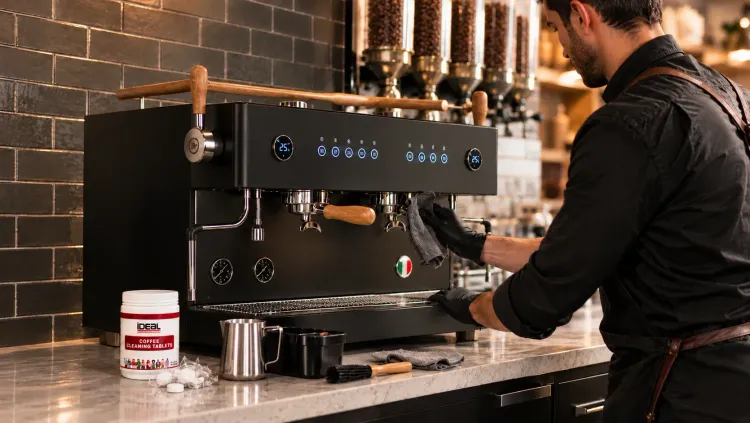
Why Cleaning Your Espresso Machine Is One of the Most Important Things You Should Do
Regular espresso machine cleaning protects coffee taste, prevents blockages and reduces costly downtime. Learn why it matters, how...
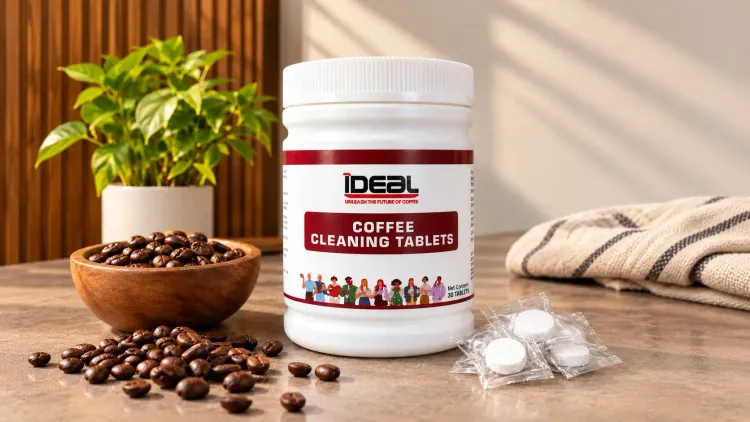
Why Is Regular Espresso Machine Cleaning Important? A Complete Guide for Café Owners
Regular espresso machine cleaning protects coffee quality, consistent extraction, machine performance and long-term reliability. L...