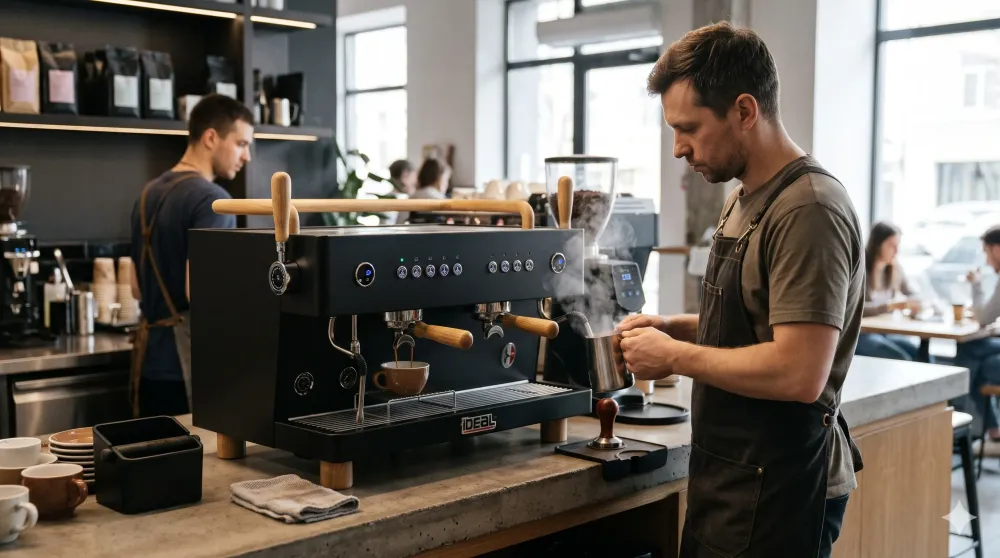
When choosing a commercial espresso machine, most café owners focus on the brand, design, number of group heads, or price. However, one of the most important factors influencing espresso consistency and machine performance is often overlooked: boiler technology.
In a busy café, an espresso machine must do more than simply brew coffee. It needs to maintain stable brewing temperatures, generate sufficient steam for milk-based beverages, and perform consistently throughout the day.
This is where multi-boiler technology in commercial espresso machines makes a significant difference.
At Ideal Coffee Machines, we understand the importance of temperature stability and efficient brewing. That's why machines such as the Ideal D24 Pro and Ideal LaBella are engineered with dual-boiler and patented interlinked triple-boiler technology to meet different commercial coffee requirements.
What Is Multi-Boiler Technology in an Espresso Machine?
Multi-boiler technology refers to an espresso machine configuration that uses more than one boiler to manage brewing and steaming functions.
To understand its importance, consider the different temperature requirements involved in preparing a coffee.
Espresso brewing typically requires water temperatures around 90–96°C, depending on the coffee beans and extraction recipe. Milk steaming, on the other hand, requires significantly higher temperatures to generate pressurised steam.
In a traditional single-boiler machine, the same boiler may be responsible for both brewing and steaming. This can require the machine to switch between temperature settings, potentially creating delays and affecting workflow.
A multi-boiler espresso machine uses separate boilers or dedicated heating circuits to manage these functions more efficiently.
The result is better temperature management, improved workflow, and greater control over espresso preparation.
Why Temperature Stability Matters in Espresso Extraction
Temperature is one of the most important variables in espresso brewing. Even small changes in brewing temperature can influence how different compounds are extracted from ground coffee.
For example:
- Lower brewing temperatures may produce a different balance of acidity, sweetness, and bitterness.
- Higher brewing temperatures can increase the extraction of certain compounds, potentially changing the flavour profile.
- Inconsistent temperatures can make it difficult to reproduce the same espresso recipe throughout the day.
For a specialty café, consistency is essential. A customer ordering the same coffee in the morning and evening should receive a similar taste experience.
This is why commercial espresso machines require effective temperature management, especially when preparing multiple beverages during busy service hours. Multi-boiler technology helps address this challenge by allowing brewing and steaming requirements to be managed more independently. For a deeper look at temperature control, read our guide to PID in espresso machines.
Single-Boiler vs Dual-Boiler vs Triple-Boiler Espresso Machines
Not all espresso machines use the same boiler configuration. Understanding these differences can help café owners make better equipment decisions.
1. Single-Boiler Espresso Machines
A traditional single-boiler espresso machine uses one boiler for brewing and steam generation. Because brewing and steaming require different temperatures, some single-boiler designs must switch between operating modes.
This may create waiting time between extracting espresso and steaming milk. Although single-boiler machines can be suitable for certain applications, they may present workflow limitations in busy commercial environments.
2. Dual-Boiler Espresso Machines
A dual-boiler espresso machine generally uses separate boilers for brewing water and steam generation. This allows the machine to manage espresso extraction and milk steaming more efficiently.
Key advantages include:
- More independent control of brewing and steam temperatures
- Ability to brew espresso and steam milk simultaneously
- Reduced need to switch between brewing and steaming modes
- Improved workflow during busy service periods
- Greater temperature management flexibility
The Ideal D24 Pro Single Group Espresso Machine features dual-boiler technology, making it a practical option for startup cafés, coffee kiosks, and smaller commercial establishments.
3. Triple-Boiler Espresso Machines
Triple-boiler technology introduces an additional level of temperature management by using three boilers within the machine. In a double group espresso machine, this can allow separate brewing temperature control for each group while maintaining a dedicated steam system.
The Ideal LaBella Double Group Espresso Machine features patented interlinked triple-boiler technology, designed to support controlled brewing temperatures and efficient commercial operation. This configuration is particularly useful for cafés requiring multiple espresso extractions and milk steaming during busy hours.
Five Reasons Multi-Boiler Technology Matters in Commercial Espresso Machines
1. More Consistent Brewing Temperatures
One of the biggest advantages of multi-boiler technology is the ability to manage brewing temperature independently from steam generation. When an espresso machine is preparing several coffees consecutively, stable brewing conditions become increasingly important.
Dedicated brewing boilers, combined with accurate temperature control, help minimise unwanted temperature fluctuations. For café owners, this means greater consistency when preparing the same espresso recipe repeatedly.
2. Efficient Brewing and Steaming
In commercial cafés, espresso extraction and milk steaming frequently happen at the same time. A barista may be extracting espresso for one customer while preparing steamed milk for another.
With a multi-boiler system, the machine can support these operations without requiring a single boiler to repeatedly change between brewing and steaming temperatures. This can improve operational efficiency and reduce unnecessary waiting time. For cafés serving cappuccinos, flat whites, lattes, and other milk-based beverages, this is particularly valuable.
3. Greater Control Over Espresso Extraction
Different coffee beans may require different brewing temperatures to achieve the desired flavour profile. For example, a barista may choose a different temperature for a light-roasted specialty coffee than for a darker espresso blend.
Multi-boiler systems equipped with suitable temperature controls can provide greater flexibility when adjusting brewing conditions. The Ideal LaBella, for example, offers individual group temperature settings, allowing baristas to configure the two brewing groups according to different coffee recipes. This can be especially useful for specialty coffee shops serving multiple espresso blends.
4. Better Workflow During Peak Hours
Peak-hour performance is one of the most important considerations when purchasing a commercial espresso machine. During busy periods, cafés may need to prepare multiple espresso shots and milk-based beverages within a short time.
A machine that struggles to maintain brewing temperatures or steam availability can slow down service. Multi-boiler technology helps manage these demands by separating key heating functions. However, actual performance also depends on boiler capacity, heating power, machine design, and barista workflow.
5. Improved Flexibility for Commercial Operations
Every café has different operating requirements. A small coffee kiosk may need a compact machine that can brew espresso and steam milk efficiently. A busy specialty café may require two brewing groups, independent temperature settings, and the ability to handle multiple orders simultaneously.
Multi-boiler technology allows manufacturers to design machines around these different requirements. At Ideal Coffee Machines, this approach is reflected in our dual-boiler D24 Pro and triple-boiler LaBella.
Ideal D24 Pro: Dual-Boiler Technology for Compact Commercial Cafés
The Ideal D24 Pro is a single group commercial espresso machine designed for cafés that require professional brewing features without investing in a larger double group setup. Its dual-boiler configuration separates brewing and steam generation, supporting efficient coffee preparation.
Key Features of Ideal D24 Pro
- Dual-Boiler System: Dedicated brewing and steam boilers
- PID Temperature Control: Helps regulate brewing temperature
- Adjustable Brewing Temperature: 80°C to 110°C
- Pre-Infusion Technology: Supports controlled saturation of the coffee puck before extraction
- Three-Hole Steam Wand: Designed for milk texturing
- Flexible Water Supply: Compatible with water tank, direct inlet, and RO water configurations
For startup cafés, takeaway counters, and smaller specialty coffee shops, the D24 Pro offers a combination of compact design and professional brewing technology. Read more in why the Ideal D24 Pro is becoming a first choice for kiosks, bakeries and coffee vans.
Ideal LaBella: Patented Interlinked Triple-Boiler Technology
For cafés requiring higher brewing capacity and more advanced temperature management, the Ideal LaBella Double Group Espresso Machine offers an interlinked triple-boiler configuration. Developed by Ideal Coffee Machines, this patented technology is designed to provide temperature control across two brewing groups while supporting steam generation.
What Makes Ideal LaBella Different?
- Patented Interlinked Triple-Boiler Technology: LaBella incorporates an interlinked triple-boiler architecture engineered for commercial espresso preparation.
- Individual Group Temperature Control: Each brewing group can be configured with its own temperature setting, allowing baristas to work with different extraction recipes.
- PID Temperature Management: PID technology helps regulate boiler temperatures for more controlled espresso brewing.
- Adjustable Pre-Infusion: With adjustable pre-infusion from 0 to 20 seconds, baristas can customise the initial stage of extraction according to their coffee requirements.
- Energy-Saving Functionality: LaBella allows one brewing group to be switched off when additional brewing capacity is not required, helping cafés manage energy usage during quieter operating periods.
- Stainless Steel Boilers and Copper Piping: The machine uses stainless steel boilers and copper piping as part of its commercial brewing system.
Together, these features make LaBella suitable for specialty coffee shops, busy cafés, restaurants, and businesses that require greater flexibility in their espresso operations. See also why Ideal LaBella is becoming a leading choice for specialty cafés.
Ideal D24 Pro vs Ideal LaBella: Comparing Multi-Boiler Technology
- Machine Type: D24 Pro – Single Group | LaBella – Double Group
- Boiler Configuration: D24 Pro – Dual Boiler | LaBella – Interlinked Triple Boiler
- Brewing Groups: D24 Pro – 1 | LaBella – 2
- PID Temperature Control: D24 Pro – Yes | LaBella – Yes
- Individual Group Temperature Settings: D24 Pro – Not applicable | LaBella – Yes
- Pre-Infusion: D24 Pro – Yes | LaBella – Adjustable, 0–20 seconds
- Steam Wand: D24 Pro – 3-Hole | LaBella – 4-Hole
- Energy-Saving Group Shutdown: D24 Pro – Not applicable | LaBella – Yes
- Ideal Application: D24 Pro – Startup cafés and kiosks | LaBella – Busy cafés and specialty coffee shops
Both machines use multi-boiler technology, but they are designed for different business requirements. The D24 Pro focuses on delivering professional brewing functionality in a compact single group machine. LaBella provides additional brewing capacity and greater flexibility through its two brewing groups and individual temperature settings.
Is a Multi-Boiler Espresso Machine Worth the Investment?
For commercial cafés, multi-boiler technology can be a worthwhile investment, particularly when consistent espresso quality and efficient service are priorities.
If your café serves a significant number of milk-based beverages, separate brewing and steaming systems can make everyday operations more efficient. If you operate a specialty coffee shop serving different coffee beans, independent brewing temperature settings may offer additional flexibility.
However, the right configuration depends on your coffee volume, budget, available space, and expected business growth. A smaller café may find the Ideal D24 Pro perfectly suited to its requirements, while a high-volume establishment may benefit from the Ideal LaBella.
Final Thoughts: Why Boiler Technology Should Matter When Buying a Coffee Machine
When investing in a commercial espresso machine, it's important to look beyond appearance, brand recognition, and the number of group heads. The engineering inside the machine plays a major role in how consistently and efficiently it performs.
Multi-boiler technology helps commercial espresso machines manage brewing and steaming temperatures, improve workflow, and provide greater control over coffee extraction.
At Ideal Coffee Machines, our focus is on developing espresso machines that combine practical commercial requirements with thoughtful engineering. From the dual-boiler Ideal D24 Pro to the patented interlinked triple-boiler Ideal LaBella, our machines are designed to support different café requirements without overlooking the importance of temperature control.
Because in specialty coffee, consistency is not just about preparing one great espresso. It's about being able to prepare it again and again.
Explore the range of commercial espresso machines from Ideal Coffee Machines and choose the technology that best supports your café.
Never Miss a Specialty Coffee Article
Google Preferred SourceAdd Ideal Coffee Machines as a preferred source on Google Search. Get prioritized access to commercial espresso machine comparisons, temperature profiling techniques, and barista workflows in Top Stories and AI Overviews.
Frequently Asked Questions
Got questions about this topic? Here are quick answers.
Multi-boiler technology uses more than one boiler to manage brewing and steaming functions. This can improve temperature control and allow simultaneous espresso extraction and milk steaming.
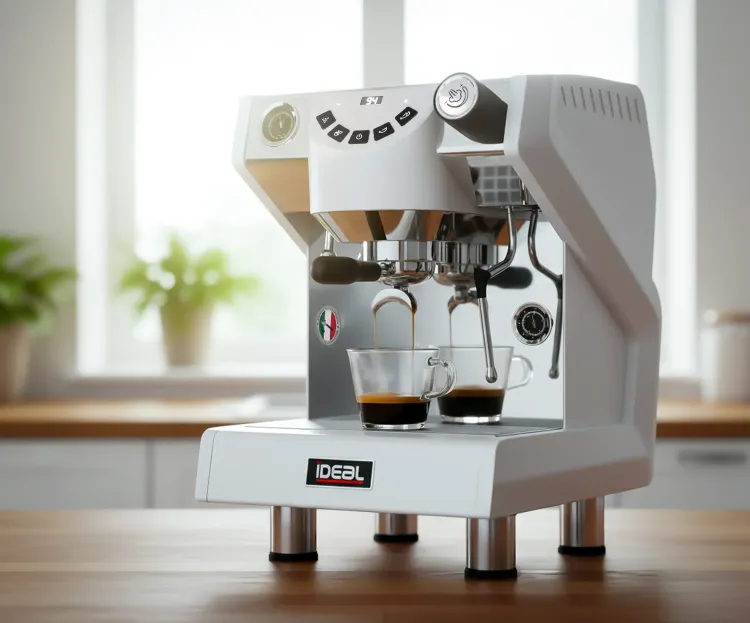
Ideal D24 Pro
Ideal D24 Pro features a dual boiler espresso machine design, PID temperature control, adjustable pre-infusion, and 3-hole steam wand for professional coffee extraction.
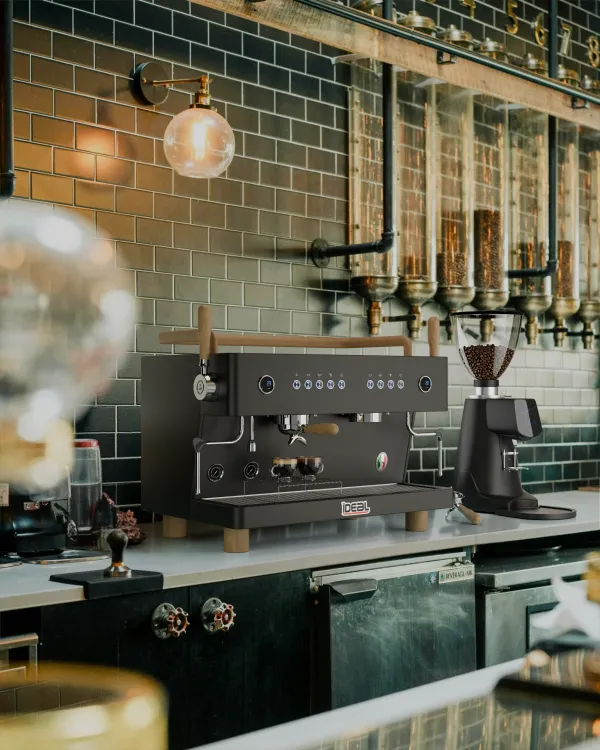
Ideal La Bella Black
Ideal La Bella Black is a stylish and reliable coffee machine designed to deliver an exceptional coffee experience. Combining elegant aesthetics with efficient performance, it is an ideal choice for homes, offices, cafés, and other coffee-serving spaces.
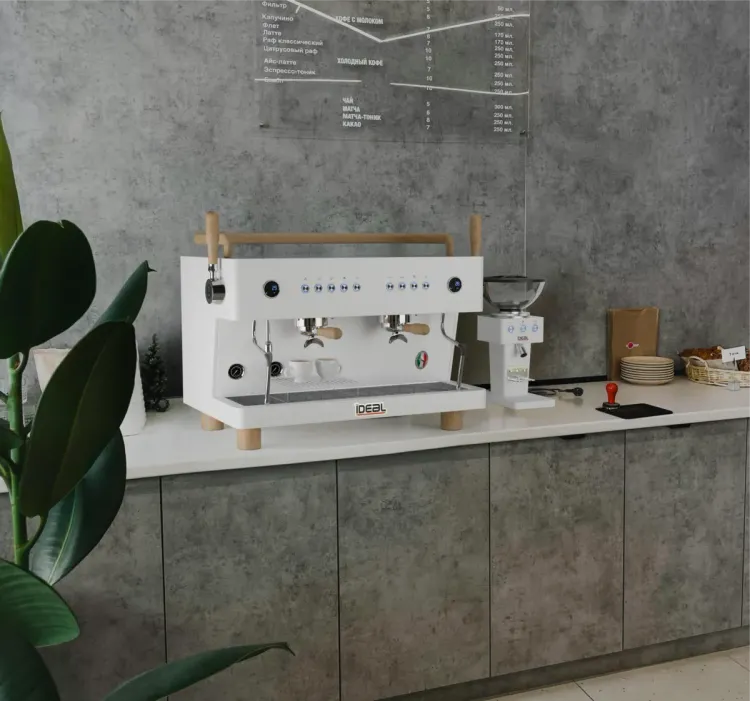
Ideal La Bella White
Ideal La Bella White is a stylish and reliable coffee machine designed to deliver an exceptional coffee experience. Combining elegant aesthetics with efficient performance, it is an ideal choice for homes, offices, cafés, and other coffee-serving spaces.

Choosing the Right Espresso Machine for a Specialty Café: Think Performance, Not Popularity
Don't pick an espresso machine because another café uses it. Learn why dual boiler technology, PID control and serviceability matt...
Best Diwali Gift Ideas 2026: Premium Coffee Machines for Home, Office & Corporate Gifting
Looking for Diwali gift ideas in 2026? See why a premium coffee machine suits home, office and corporate gifting, which Ideal mode...
Best Corporate Diwali Gift for Clients & Business Partners in India: Ideal Brew Bella
Looking for a premium corporate Diwali gift for clients, business partners or executives in India? Discover why the Ideal Brew Bel...