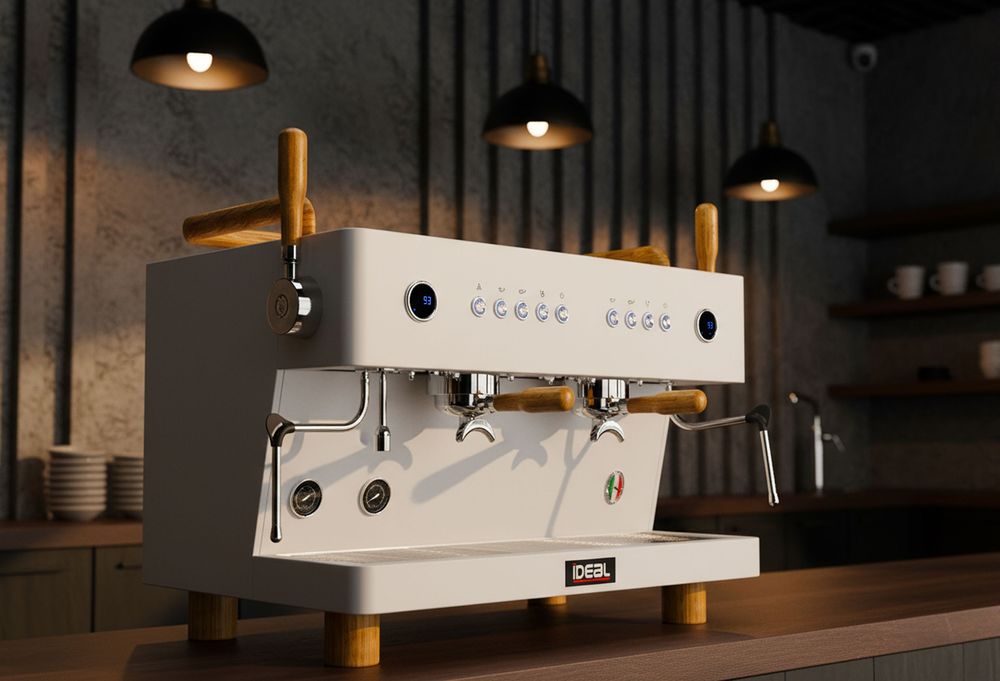
If you love coffee, you already know this:
A perfect espresso isn’t just a drink, it's a science, a technique, and a little bit of magic.
Whether you’re a café owner, a home-barista, or someone just stepping into the espresso world, mastering extraction is the key to unlocking café-quality flavour in every shot.
So let’s break it down simply, practically, and correctly.
What Exactly Is Espresso Extraction?
Extraction is the process where hot water passes through finely ground coffee and pulls out flavors, oils, aromas, and soluble compounds.
How long the water interacts with the coffee determines whether your espresso is:
-
Under-extracted
-
Over-extracted
-
Perfectly extracted
Your goal?
Balanced sweetness, gentle acidity, rich crema, and a full-bodied texture.
Under-Extraction (The Rushed Shot)
Time Range: Usually less than 22 seconds
Taste Notes: Sour, sharp, hollow, salty, thin
Under-extracted espresso happens when the water doesn’t have enough time to dissolve the flavorful compounds.
Common reasons:
-
Grind size too coarse
-
Less tamp pressure
-
Insufficient coffee dose
-
Lower brewing temperature
-
Fast water flow
How to fix it:
Use a finer grind
Increase tamping pressure for more resistance
Slightly increase dose (if needed)
Ensure ideal temperature (91°C–96°C)
Aim for 25–30 seconds extraction time
Result: Slower flow = more flavour.
Over-Extraction (The Bitterness Trap)
Time Range: Above 32 seconds
Taste Notes: Bitter, dry, burnt, astringent, harsh
This happens when water stays in contact with the coffee too long, pulling undesirable compounds.
Common reasons:
-
Grind size too fine
-
Too much tamping pressure
-
Excessive coffee dose
-
Slow water flow
-
Higher brewing temperature
How to fix it:
Use a slightly coarser grind
Reduce tamp pressure (consistent but not forceful)
Adjust dose to recipe
Maintain optimal temperature range
Reduce extraction time to 25–30 seconds
Result: Smooth balance instead of harsh bitterness.
The Perfect Extraction (The Golden Shot)
Time Range: 25–30 seconds
Taste Notes:
Balanced acidity
Natural sweetness
Pleasant boldness
Thick crema
Syrupy, layered texture
The perfect espresso shot should look like warm golden honey dripping slowly and consistently, not too fast, not too slow.
Ideal recipe to start with (standard café shot):
|
Variables |
Recommended |
|
Dose |
18g (±1g) |
|
Yield |
36g (±2g) |
|
Time |
25–30 seconds |
|
Temperature |
92–96°C |
|
Grind |
Fine, even |
|
Tamp |
Consistent & level |
Once perfected, adjust based on beans, roast profile, and personal preference.
Additional Tips for Espresso Perfection
Always weigh coffee: Consistency is everything
Use fresh roasted beans (8–30 days post-roast is ideal)
Purge group head before brewing
Ensure your grinder burrs are sharp
Clean portafilter and basket before every shot
Practice because espresso responds to skill
Remember: Espresso Is a Balance
You’re not just brewing coffee, you're extracting art.
Too fast → Under-extracted → Sour
Too slow → Over-extracted → Bitter
Just right → Balanced, sweet, bold espresso
Once you understand extraction, making great espresso becomes easy and repeatable.
Want This Process to Be Effortless?
Machines like the Ideal La Bella and Ideal E61 Elegante make dialing in easier with:
-
PID temperature control
-
Consistent pressure
-
Stable extraction
-
Perfect steaming
So whether you're brewing for yourself or for customers every cup stays consistently delicious.
Final Sip Thought:
Coffee doesn’t forgive shortcuts but it rewards precision.
Master extraction, and every espresso will taste like café perfection.
Never Miss a Specialty Coffee Article
Google Preferred SourceAdd Ideal Coffee Machines as a preferred source on Google Search. Get prioritized access to commercial espresso machine comparisons, temperature profiling techniques, and barista workflows in Top Stories and AI Overviews.
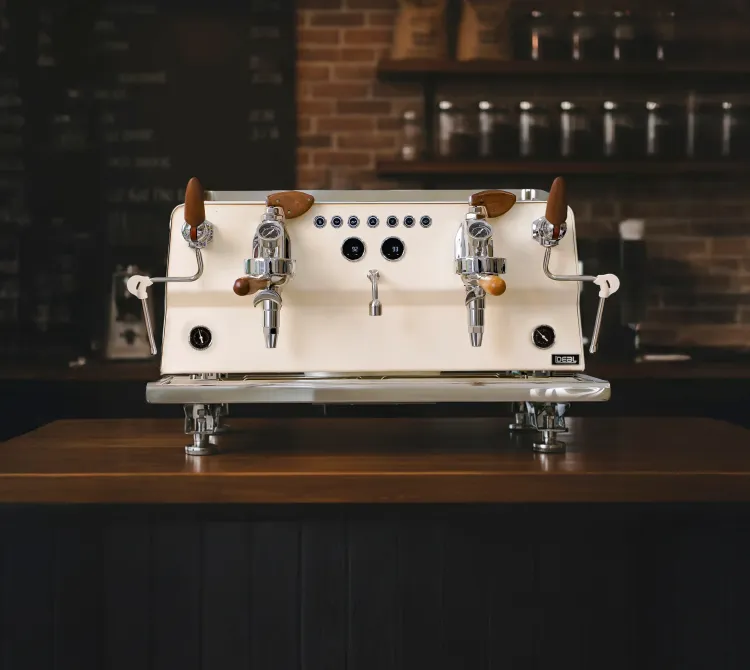
Ideal E61 Elegante
The Ideal E61 Elegante is a professional espresso machine that combines timeless design with precision brewing technology. Designed for cafés, restaurants, and speciality coffee businesses, it delivers reliable performance and consistent espresso extraction.
What Causes Inconsistent Espresso Shots in a Café?
Grind, dose, temperature, pressure, pre-infusion, water and machine stability all shape espresso consistency — here's what causes ...
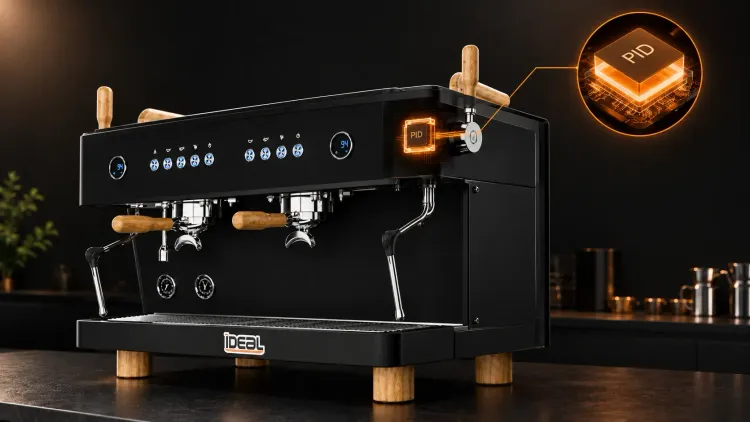
PID in Espresso Machines What Is It and Why Does It Matter
When buying a commercial espresso machine, you will often see terms such as PID, multi-boiler, pre-infusion and adjustable brew te...
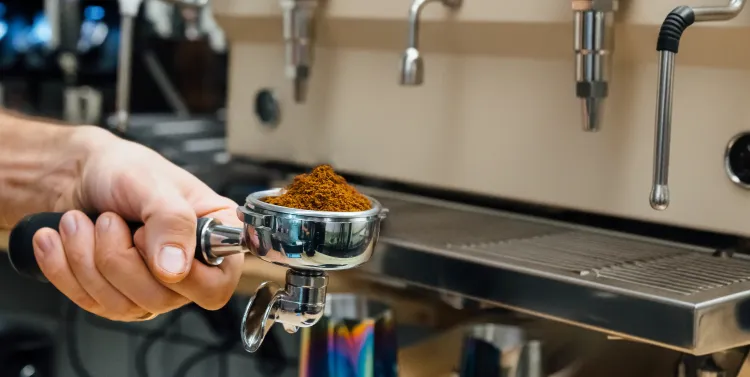
What Causes Inconsistent Espresso Shots A Complete Guide for Cafes
One espresso tastes perfect, while the next runs too fast, tastes sour, or produces a different volume. Inconsistent espresso shot...