
A perfectly brewed espresso should have a balanced flavour, a rich aroma and a pleasant finish. However, if your espresso tastes excessively bitter, harsh or burnt, the problem may lie in your coffee beans, grind size, extraction time, water temperature or brewing technique.
Whether you are a home barista or a café owner, understanding why espresso tastes bitter can help you achieve better flavour consistency and serve a better cup of coffee. In this guide, we explore the most common causes of bitter espresso and how to fix them.
1. Over-Extraction: The Most Common Cause of Bitter Espresso
Over-extraction occurs when water extracts too many compounds from the coffee grounds, potentially producing a harsh and bitter taste.
How to fix it:
- Reduce the extraction time slightly.
- Adjust the grind size to be a little coarser.
- Review your coffee dose and espresso yield.
- Change one variable at a time to identify the cause.
For example, if your espresso tastes harsh and the shot runs unusually slowly, try a slightly coarser grind and evaluate the result.
2. Incorrect Coffee Grind Size
Grind size plays an important role in espresso extraction. Coffee ground too finely can restrict water flow and contribute to over-extraction or uneven extraction. Coffee ground too coarsely may produce a weak, sour or under-extracted shot.
How to fix it: adjust your grinder gradually and observe the extraction time, beverage weight and flavour. Aim for a balanced espresso rather than relying on extraction time alone. For cafés, a consistent grinder setting is essential for maintaining flavour throughout the day.
3. Brewing at the Wrong Water Temperature
Water temperature affects how coffee compounds dissolve during extraction. If the brewing temperature is too high for a particular coffee, it may contribute to a harsher or more bitter flavour. However, bitterness can also result from other brewing variables.
How to fix it: check your espresso machine's temperature settings and make small adjustments according to the coffee beans and roast profile. Always evaluate the flavour after changing the temperature. Consistent temperature control is particularly important in commercial coffee environments where multiple drinks are prepared throughout the day.
4. Using Dark-Roasted Coffee Beans
Dark-roasted coffee beans naturally tend to have more pronounced roasted, smoky and bitter flavours than many lighter roasts. If your espresso tastes burnt even when the extraction is well controlled, the roast profile itself may be responsible.
How to fix it: try a medium roast or a different coffee blend. Choose beans suited to espresso and evaluate their flavour notes, freshness and recommended brewing parameters. Remember that some bitterness is normal in espresso. The goal is balance, not necessarily eliminating every bitter note.
5. Incorrect Coffee Dose and Espresso Yield
The amount of ground coffee used and the amount of espresso produced influence the final taste. A longer beverage yield can sometimes increase bitterness, depending on the coffee and brewing conditions. An unsuitable dose-to-yield ratio can also make espresso taste unbalanced.
How to fix it: use a digital scale to measure the coffee dose and beverage yield. For example, start with 18 grams of ground coffee and a beverage yield of approximately 36 grams, then adjust according to the beans and your taste preferences. This is a starting point, not a universal recipe for every coffee.
6. Dirty Espresso Machine or Coffee Grinder
Coffee oils and old grounds can accumulate in group heads, portafilters, baskets and grinders. These residues may develop stale, rancid or unpleasant flavours that affect the quality of your espresso.
How to fix it:
- Clean the portafilter and filter baskets regularly.
- Backflush the machine when appropriate, following the manufacturer's instructions.
- Clean the grinder according to its maintenance guidelines.
- Replace stale coffee and keep the brewing area clean.
Regular cleaning is particularly important in busy cafés where equipment is used continuously.
7. Inconsistent Extraction and Uneven Coffee Distribution
Water should pass through the coffee bed as evenly as possible. Poor distribution, clumps or channeling can cause some areas to extract more than others. The result may taste bitter, sour, harsh or thin, sometimes all at once.
How to fix it: distribute the ground coffee evenly in the basket, tamp consistently and review your puck preparation process. Use clean equipment and maintain a repeatable workflow. For commercial cafés, consistent preparation helps baristas reproduce the same flavour across multiple drinks and shifts.
How to Make Espresso Taste Better: A Quick Troubleshooting Guide
- Excessively bitter and slow shot: adjust to a slightly coarser grind.
- Burnt or smoky flavour: try a different roast profile.
- Bitter and unusually long shot: review the beverage yield.
- Sour and weak espresso: check grind size and extraction.
- Flavour changes throughout the day: check grinder settings, dose and bean freshness.
- Stale or unpleasant aftertaste: clean the machine and grinder.
Always change one variable at a time. This makes it easier to identify what improves the flavour.
Why Espresso Machine Temperature Stability Matters
A good espresso depends on more than coffee beans and barista technique. The machine must also provide consistent brewing conditions. Temperature fluctuations can make it harder to reproduce a balanced espresso, especially when preparing multiple drinks in a busy café.
Commercial espresso machines with suitable temperature controls and boiler configurations can help baristas manage brewing conditions according to their requirements. However, the right equipment must be paired with suitable coffee, correct grinder settings and consistent preparation.
At Ideal Coffee Machines, we focus on espresso equipment for cafés and commercial coffee operations. Choosing a machine that suits your workflow and brewing requirements can help establish a more consistent coffee preparation process. Explore the range, including Ideal LaBella, Ideal E61 Elegante and Ideal D24 Pro, to find a machine suited to your coffee business.
Frequently Asked Questions
Why does my espresso taste bitter even with good coffee beans?
Bitterness can result from over-extraction, an unsuitable grind size, a long beverage yield, the roast profile or dirty equipment. Adjust your brewing variables systematically before changing your beans.
Is espresso supposed to taste bitter?
Espresso naturally contains bitter compounds, but a well-balanced shot should also offer pleasant sweetness, aroma, acidity and body. Excessive bitterness may indicate that your recipe or coffee selection needs adjustment.
Does a finer grind make espresso more bitter?
A finer grind generally slows water flow and can increase extraction, but the result depends on the dose, yield, distribution and other brewing conditions. Adjust gradually and evaluate the flavour.
What is the ideal extraction time for espresso?
A starting point for many espresso recipes is approximately 25 to 30 seconds, although the appropriate time varies by coffee, dose, grind and target yield. Flavour should guide your final adjustments.
Can an espresso machine cause bitter coffee?
Yes, machine temperature settings, inconsistent brewing conditions and accumulated coffee residue can contribute to unpleasant flavours. However, grinder settings, coffee beans and barista technique are also important factors.
Final Thoughts
Bitter espresso does not necessarily mean your coffee beans are poor quality or your machine is faulty. Often, small adjustments to grind size, extraction time, beverage yield, temperature or cleaning routines can significantly improve the result.
By understanding these variables and following a consistent brewing process, home baristas and café professionals can work towards a more balanced, flavourful espresso.
Looking for a commercial espresso machine for your café? Explore Ideal Coffee Machines and choose equipment suited to your brewing requirements.
Never Miss a Specialty Coffee Article
Google Preferred SourceAdd Ideal Coffee Machines as a preferred source on Google Search. Get prioritized access to commercial espresso machine comparisons, temperature profiling techniques, and barista workflows in Top Stories and AI Overviews.
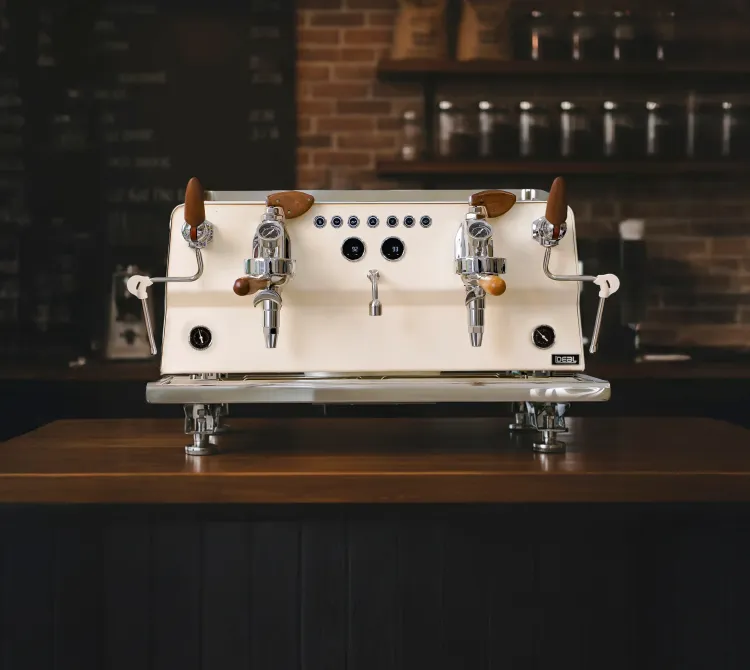
Ideal E61 Elegante
The Ideal E61 Elegante is a professional espresso machine that combines timeless design with precision brewing technology. Designed for cafés, restaurants, and speciality coffee businesses, it delivers reliable performance and consistent espresso extraction.
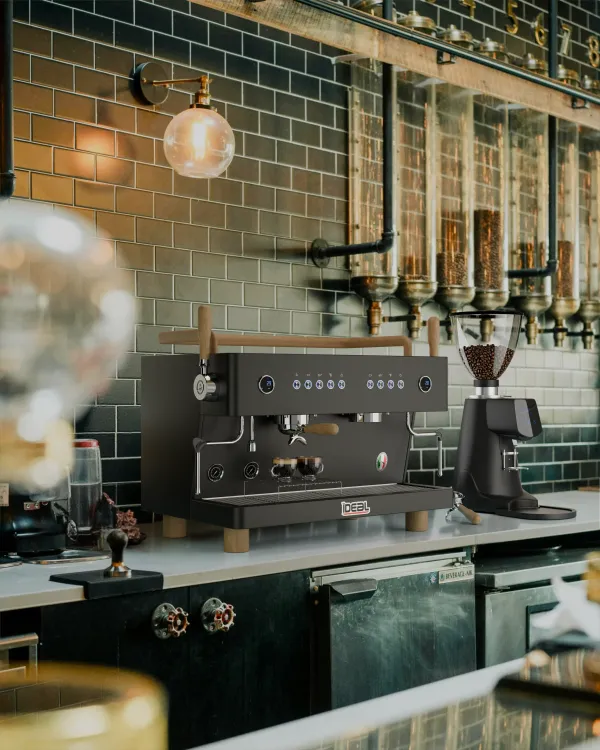
Ideal La Bella Black
Ideal La Bella Black is a stylish and reliable coffee machine designed to deliver an exceptional coffee experience. Combining elegant aesthetics with efficient performance, it is an ideal choice for homes, offices, cafés, and other coffee-serving spaces.
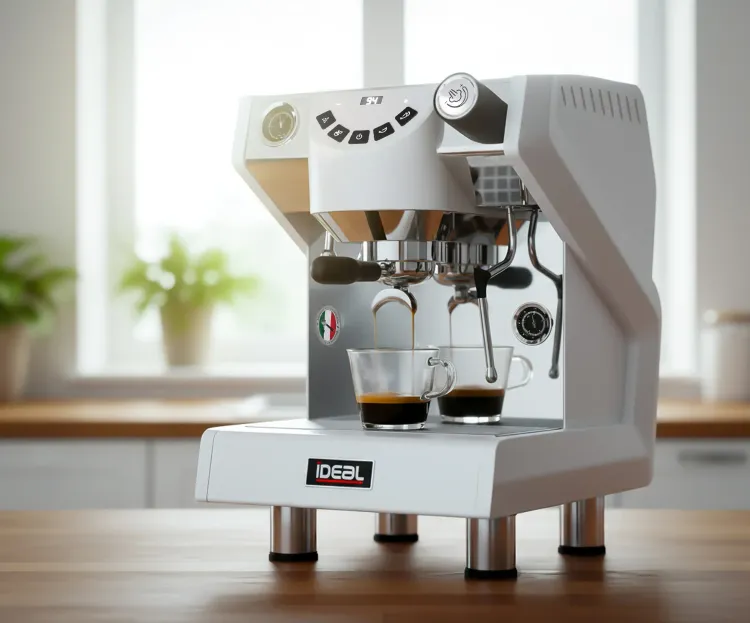
Ideal D24 Pro
Ideal D24 Pro features a dual boiler espresso machine design, PID temperature control, adjustable pre-infusion, and 3-hole steam wand for professional coffee extraction.

What Causes Inconsistent Espresso Shots in a Café?
Grind, dose, temperature, pressure, pre-infusion, water and machine stability all shape espresso consistency — here's what causes ...
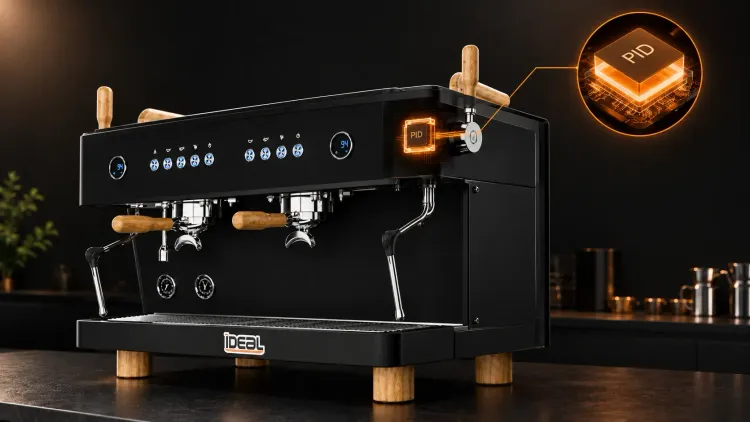
PID in Espresso Machines What Is It and Why Does It Matter
When buying a commercial espresso machine, you will often see terms such as PID, multi-boiler, pre-infusion and adjustable brew te...
What Causes Inconsistent Espresso Shots A Complete Guide for Cafes
One espresso tastes perfect, while the next runs too fast, tastes sour, or produces a different volume. Inconsistent espresso shot...