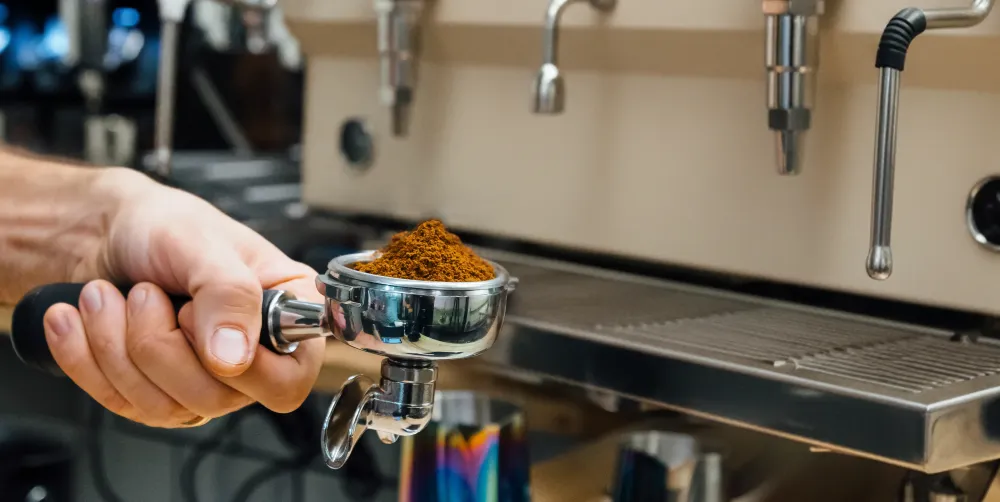
One espresso tastes perfect, while the next runs too fast, tastes sour, or produces a different volume. Inconsistent espresso shots are usually caused by variations in grind size, dose, tamping, coffee freshness, water temperature, pressure, pre-infusion, or the espresso machine’s temperature stability.
For a commercial café, consistency becomes even more important during peak hours when dozens or hundreds of shots are being extracted.
1. Grind Size Is Often the First Culprit
Even a small change in grind size can significantly affect extraction.
If the grind is too coarse, water passes through the coffee too quickly, often resulting in a weak or sour espresso. If it's too fine, extraction becomes slower and may produce an overly bitter or harsh cup.
Grinder calibration should therefore be checked regularly, particularly when the beans, roast date, humidity, or weather changes.
2. Inconsistent Coffee Dose
If one portafilter contains 18 grams and the next contains 19 or 20 grams, you shouldn't expect exactly the same extraction.
Using a precise weighing scale and maintaining a consistent recipe—for example:
18 g coffee → 36 g espresso → approximately 25–30 seconds
can dramatically improve repeatability.
The ideal recipe will, of course, depend on the coffee being used.
3. Uneven Distribution and Tamping
Even with the correct dose and grind size, poor puck preparation can cause channeling.
Water finds the easiest path through the coffee bed rather than extracting it evenly. This can produce an espresso that simultaneously tastes under-extracted and over-extracted.
Consistent distribution and level tamping are therefore essential.
4. Brewing Temperature Fluctuation
This is where the espresso machine itself becomes extremely important.
Coffee extraction is sensitive to temperature. If the brewing temperature changes significantly between consecutive shots, flavour and extraction can also change.
For a commercial café, particularly one serving specialty coffee, look for machines offering stable and controllable brewing temperatures rather than focusing only on appearance or brand name.
How Ideal Coffee Machines Addresses This
For example, Ideal LaBella uses a multi-boiler architecture with independent temperature control, while Ideal D24 Pro uses a dual-boiler system with adjustable brewing temperature.
The Ideal E61 Elegante also allows the operator to adjust important extraction parameters such as brewing temperature and pre-infusion.
This is particularly useful when cafés change coffee beans or roast profiles because the machine can be calibrated around the coffee instead of forcing every coffee to use exactly the same brewing parameters.
5. Incorrect or Inconsistent Pre-Infusion
Pre-infusion gently wets the coffee puck before full brewing pressure is applied.
When properly calibrated, it can encourage more even saturation and reduce channeling.
However, there isn't one perfect pre-infusion setting for every coffee. Different beans, roast profiles and recipes may respond differently.
Machines that provide adjustable pre-infusion give baristas greater control when dialing in espresso.
6. Machine Cleanliness
A dirty machine can also create inconsistent results.
Coffee oils and residue can accumulate around the group head, shower screen and portafilter. Scale caused by unsuitable water can further affect the machine's performance.
Commercial espresso machines should therefore follow a strict daily cleaning and preventive-maintenance routine.
7. Water Quality
Espresso is predominantly water, yet water is often ignored when troubleshooting coffee.
Excessive hardness or mineral content can create scale inside an espresso machine, while unsuitable water composition can also influence the flavour of the coffee.
Cafés should therefore use water that meets the requirements specified by their coffee-machine manufacturer and regularly check their filtration system.
8. Steam and Brewing Demand During Rush Hours
A machine may perform perfectly when making two coffees but behave differently when producing drinks continuously.
This is why cafés should choose machines according to their actual daily volume and peak-hour demand.
For higher-volume operations, independent or multi-boiler systems can be advantageous because brewing and steam requirements can be managed more effectively than on basic architectures where functions are more dependent on a common heat source.
9. Coffee Beans Are Not Always the Same
Sometimes the machine isn't the problem at all.
Coffee changes as it ages. Humidity changes. Different batches behave differently. Even opening a fresh bag can require the grinder to be adjusted.
This is why professional cafés dial in their coffee regularly rather than assuming yesterday's grinder and machine settings will automatically produce today's perfect espresso.
So, Is an Inconsistent Espresso Shot a Machine Problem?
Not necessarily.
Before concluding that an espresso machine is faulty, check:
Beans → Dose → Grind → Distribution → Tamping → Extraction time → Temperature → Pre-infusion → Water → Cleaning → Machine performance
If all operational variables remain consistent but extraction continues to fluctuate significantly, the machine and grinder should then be technically inspected.
The Bottom Line
Consistent espresso doesn't come from buying the most expensive coffee machine. It comes from controlling as many variables as possible.
A good commercial espresso setup should provide stable temperature, reliable pressure, sufficient boiler capacity and enough control to calibrate the machine according to the coffee being served.
This philosophy is also behind machines such as the Ideal D24 Pro, LaBella and E61 Elegante—giving cafés greater control over brewing parameters rather than relying on price alone as an indication of coffee quality.
Looking for a commercial espresso machine for your café, bakery, hotel or coffee kiosk? Explore Ideal Coffee Machines and choose a machine according to your coffee, expected volume and operational requirements—not simply the highest price tag.
Never Miss a Specialty Coffee Article
Google Preferred SourceAdd Ideal Coffee Machines as a preferred source on Google Search. Get prioritized access to commercial espresso machine comparisons, temperature profiling techniques, and barista workflows in Top Stories and AI Overviews.

What Causes Inconsistent Espresso Shots in a Café?
Grind, dose, temperature, pressure, pre-infusion, water and machine stability all shape espresso consistency — here's what causes ...
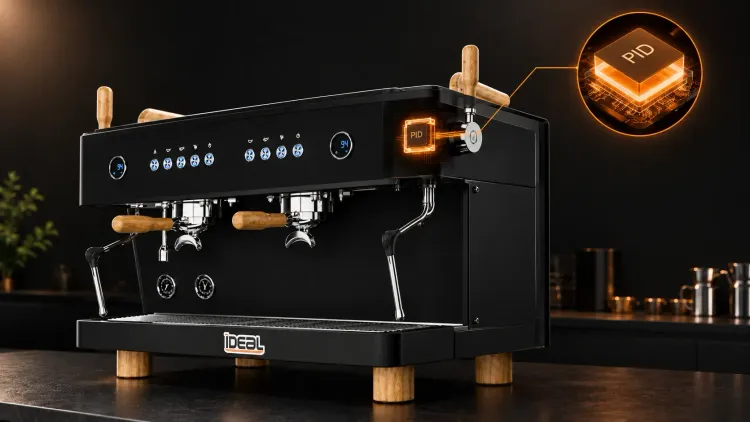
PID in Espresso Machines What Is It and Why Does It Matter
When buying a commercial espresso machine, you will often see terms such as PID, multi-boiler, pre-infusion and adjustable brew te...
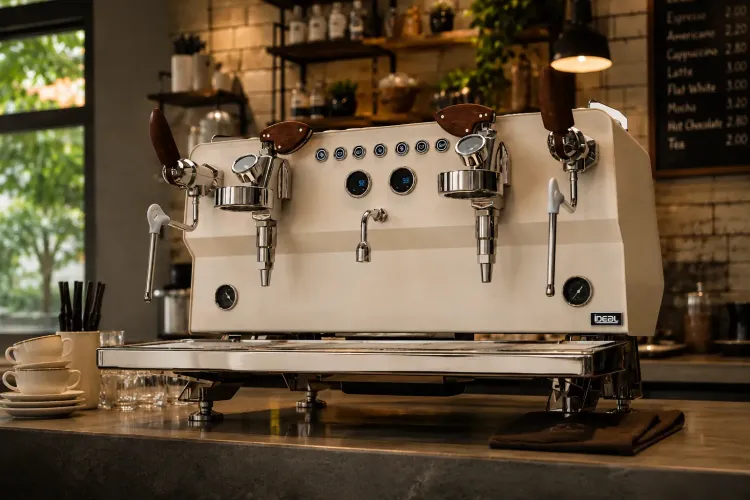
The Rise of Specialty Coffee in India Why Multi Boiler Espresso Machines Are Becoming Essential
India's coffee culture is changing rapidly. Over the past decade, the country has witnessed a significant shift from traditional f...