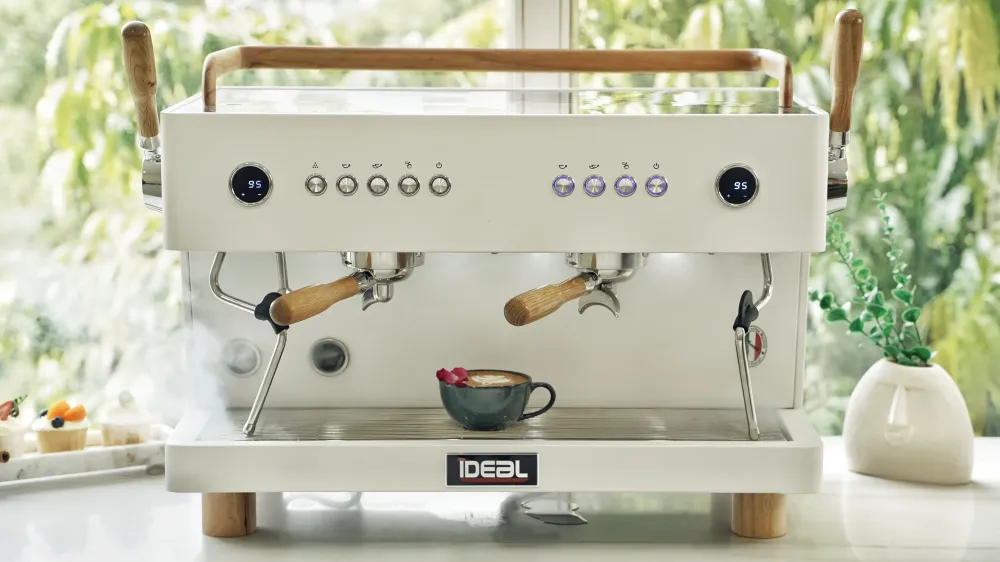
Walk into ten cafés and ask why their espresso tastes different every day, and you'll hear answers about coffee beans, grinders, or barista skills.
What many overlook is one of the most critical factors in espresso extraction: brew temperature.
A difference of just 1–2°C can completely transform the flavour profile of your coffee.
Coffee Extraction Is Science, Not Guesswork
Coffee contains hundreds of soluble compounds that extract at different temperatures.
The brew temperature directly influences which flavours end up in your cup.
- Lower brewing temperatures generally highlight acidity, floral aromas, and delicate fruit notes.
- Higher temperatures increase sweetness, body, and bitterness.
- Incorrect temperatures can make espresso taste sour, weak, harsh, or over-extracted.
This is why professional cafés, specialty coffee shops, and coffee roasters spend significant time developing the perfect espresso recipe for every coffee they roast.
For example:
- A light-roasted Ethiopian coffee may perform beautifully at 90°C, preserving its floral and citrus characteristics.
- A medium roast designed for chocolate and caramel flavours may produce better balance at 93–95°C.
- Darker roasts often require different brewing temperatures to reduce bitterness while maintaining body.
There is no universal "perfect" brew temperature.
Every coffee deserves its own recipe.
Why Brew Temperature Control Is Essential
Professional espresso preparation isn't simply about grinding finer or adjusting extraction time.
Temperature control is equally important.
Precise brew temperature helps achieve:
- Consistent espresso extraction
- Better flavour clarity
- Balanced sweetness and acidity
- Improved body and mouthfeel
- Repeatable results throughout the day
For cafés serving dozens or hundreds of coffees daily, consistency builds customer trust.
The Problem with Fixed-Temperature Espresso Machines
Many entry-level espresso machines operate using fixed or poorly regulated brewing temperatures.
The result?
Baristas are forced to compensate by constantly adjusting:
- Grind size
- Coffee dose
- Extraction time
- Tamping pressure
Instead of the espresso machine delivering consistency, it becomes another variable.
This often leads to:
- Inconsistent espresso shots
- Fluctuating coffee quality
- Wasted coffee beans
- Difficult workflow during busy service
- Unpredictable customer experience
In specialty coffee, inconsistency is expensive.
Even the highest-quality coffee beans cannot reach their full potential if the espresso machine cannot maintain the ideal brewing temperature.
Matching Brew Temperature to Different Coffee Beans
Every coffee bean behaves differently.
Professional cafés adjust brewing temperature based on several factors, including:
- Roast profile
- Coffee origin
- Processing method
- Desired flavour profile
Examples include:
- Ethiopian Washed Coffees: Lower temperatures help preserve floral aromas and bright fruit acidity.
- Medium Roasted Espresso Blends: Slightly higher temperatures enhance sweetness, body, and chocolate notes.
- Dark Roasts: Carefully adjusted temperatures help reduce excessive bitterness while maintaining richness.
This level of precision simply isn't possible on machines without adjustable brew temperature control.
Why the Ideal LaBella Was Built for This
The Ideal LaBella was designed with specialty coffee in mind.
Its independent temperature control allows cafés and roasteries to dial in the machine according to the bean profile rather than forcing every coffee through a single brewing temperature.
Explore the Ideal LaBella
This means baristas can:
- Experiment with different roast profiles.
- Maintain consistency throughout the day.
- Reproduce the same cup repeatedly across locations.
- Extract the maximum potential from premium coffee beans.
Instead of asking, "Will this coffee work on the machine?"
The question becomes:
"What temperature allows this coffee to perform at its best?"
That is how specialty coffee should be approached.
Espresso Machines Should Deliver Precision, Not Probability
A professional espresso machine should remove variables, not introduce them.
When temperature is left to chance, coffee becomes guesswork.
When temperature is controlled precisely, coffee becomes repeatable science.
The difference between an average cup and an exceptional cup is often not the bean itself — it's the machine's ability to unlock what the roaster intended.
Because in specialty coffee, consistency isn't luck.
It's engineering.
????Discover the Ideal LaBella White: https://idealcoffeemachines.com/product/ideal-la-bella-white
Never Miss a Specialty Coffee Article
Google Preferred SourceAdd Ideal Coffee Machines as a preferred source on Google Search. Get prioritized access to commercial espresso machine comparisons, temperature profiling techniques, and barista workflows in Top Stories and AI Overviews.
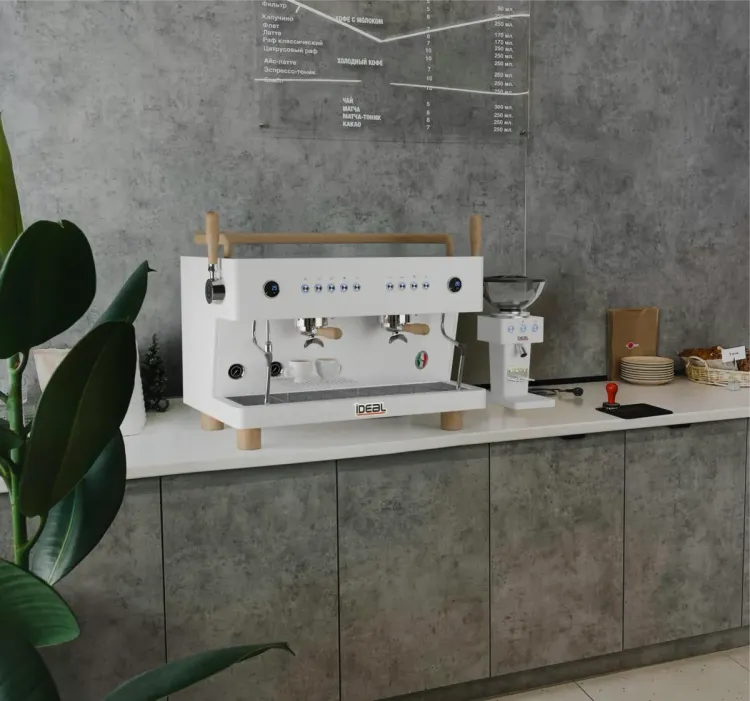
Ideal La Bella White
Ideal La Bella White is a stylish and reliable coffee machine designed to deliver an exceptional coffee experience. Combining elegant aesthetics with efficient performance, it is an ideal choice for homes, offices, cafés, and other coffee-serving spaces.

What Causes Inconsistent Espresso Shots in a Café?
Grind, dose, temperature, pressure, pre-infusion, water and machine stability all shape espresso consistency — here's what causes ...
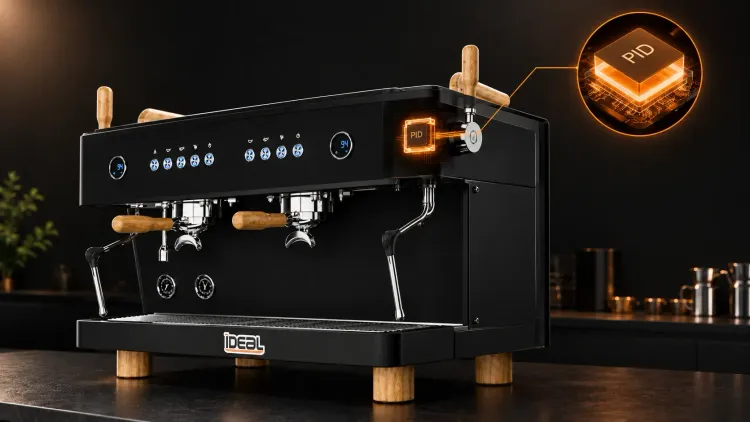
PID in Espresso Machines What Is It and Why Does It Matter
When buying a commercial espresso machine, you will often see terms such as PID, multi-boiler, pre-infusion and adjustable brew te...
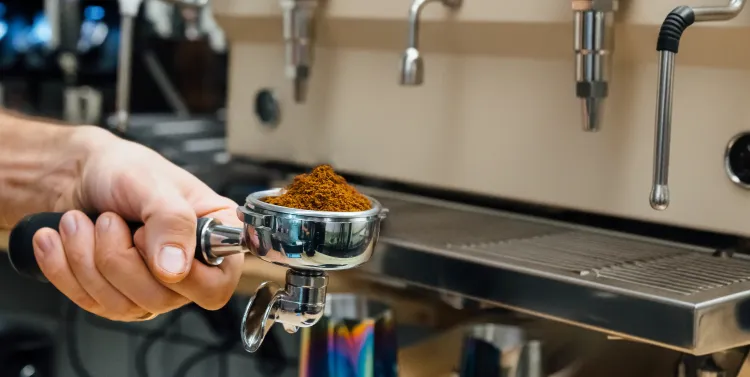
What Causes Inconsistent Espresso Shots A Complete Guide for Cafes
One espresso tastes perfect, while the next runs too fast, tastes sour, or produces a different volume. Inconsistent espresso shot...